Common Causes of Gaps in Timber Floors and How to Prevent Them
Timber floors are a popular choice for Australian homes due to their natural warmth, durability and timeless appearance. However, many homeowners in coastal regions like Wollongong notice gaps forming between floorboards over time. These gaps can affect both the appearance and performance of the flooring if not properly understood and managed. This article explains the main causes of timber floor gaps and how to prevent them through proper care and maintenance.
Moisture and Climate Changes as the Primary Cause of Floor Gaps
One of the most significant causes of timber floor gaps is changes in moisture levels within the home and surrounding environment. Timber is a natural material that reacts to humidity, absorbing moisture when the air is damp and releasing it when conditions become dry. In coastal regions such as Wollongong, these fluctuations are common due to seasonal weather changes, ocean air and varying indoor heating or cooling use.
When timber absorbs moisture, it expands slightly. When it loses moisture, it contracts. This process, known as floor board expansion and contraction, is completely natural but can lead to visible gaps forming between boards. During cooler months or in homes with strong air conditioning or heating systems, indoor air can become very dry, accelerating shrinkage. Over time, this repeated movement creates uneven spacing and noticeable separation between planks.
Poor indoor humidity control can worsen this issue. Homes without proper ventilation or balanced heating systems may experience extreme dryness in winter and excessive moisture in summer. These fluctuations place constant stress on timber flooring. Even high quality hardwood flooring maintenance cannot fully prevent movement, but it can significantly reduce the severity of gaps.
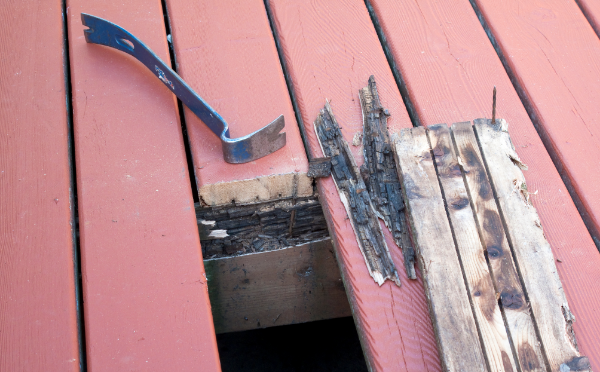
Another contributing factor is subfloor moisture. If the area beneath the flooring retains dampness due to poor drainage or ventilation, it can cause inconsistent movement in the boards above. This uneven response leads to irregular gaps that may appear in specific areas of the home rather than across the entire floor.
Preventing moisture related timber floor gaps requires maintaining stable indoor conditions. Using humidifiers in dry months and ensuring proper airflow during humid periods can help balance moisture levels. Professional assessment of timber flooring Wollongong homes often includes checking subfloor conditions to ensure there are no hidden moisture issues contributing to movement.
Installation Issues and Subfloor Problems That Lead to Gaps
Incorrect installation is another major cause of gaps in timber flooring. If boards are not properly acclimatised before installation, they may adjust after being laid, resulting in uneven spacing. Timber should always be allowed to adjust to the indoor environment before being fixed in place. Without this step, natural expansion and contraction becomes unpredictable and leads to visible separation.
Subfloor preparation is equally important. A poorly levelled or unstable subfloor can cause movement in the timber above it. Even slight shifts in the base structure can create pressure points that force boards apart over time. In many cases, homeowners only notice the issue months or years after installation, when gaps begin to widen.
Incorrect spacing during installation can also contribute to long term problems. Installers must account for natural movement by leaving appropriate expansion gaps around the perimeter of the room. If these are not properly calculated, the flooring may shift internally instead of expanding outward, resulting in uneven timber floor gaps throughout the surface.
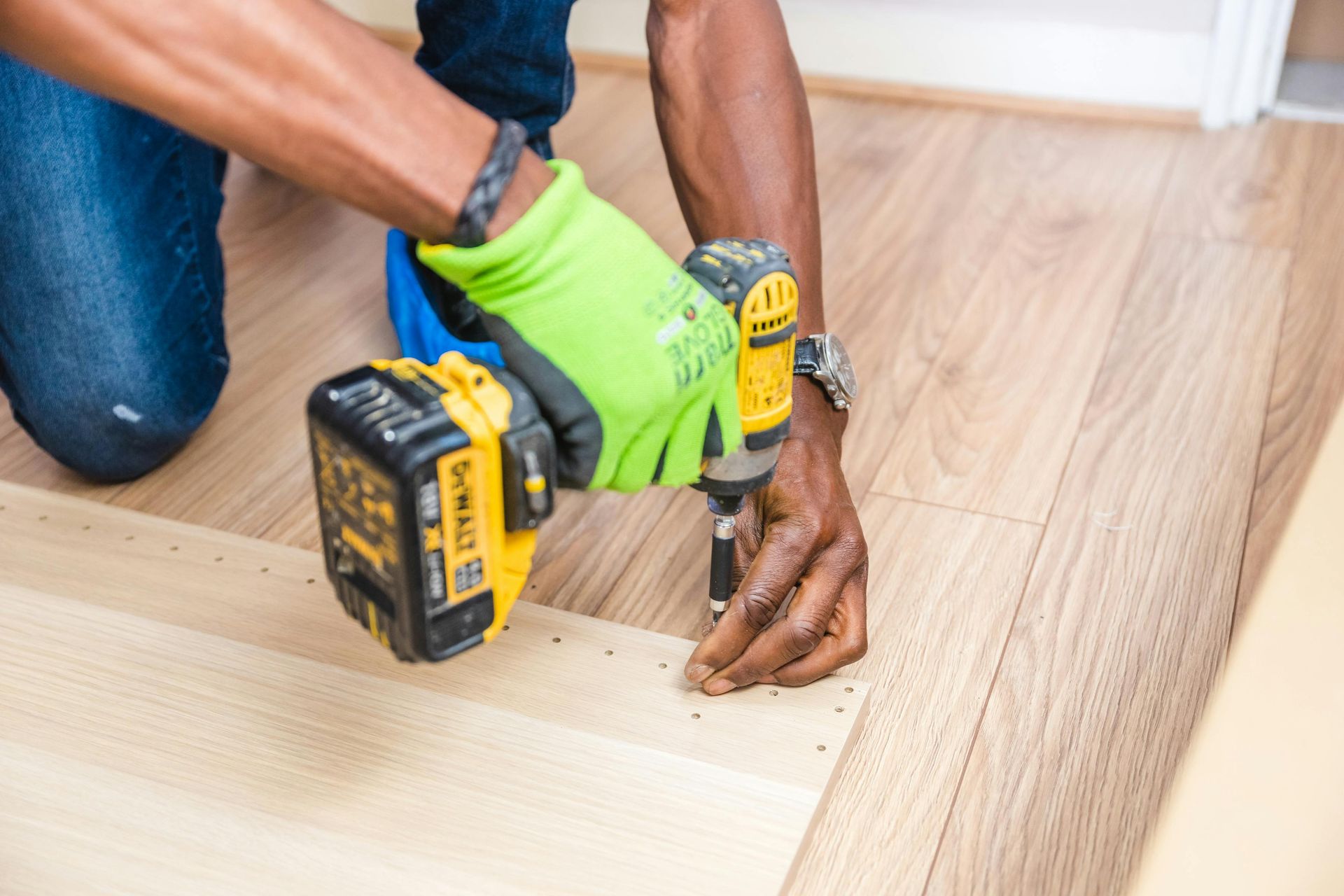
Fastening methods also play a role. If boards are not securely fixed or the wrong adhesive is used, movement becomes more likely. Over time, repeated foot traffic can gradually loosen sections of flooring. This increases the need for floor gap repair and may require partial reinstallation in severe cases.
In older homes, previous renovation work may have contributed to the issue. Layered flooring, uneven joists or outdated installation methods often fail to meet modern standards. Professional inspection of timber flooring Wollongong properties can identify whether gaps are the result of historical installation issues or ongoing environmental movement.
Addressing installation related causes requires professional evaluation. In many cases, hardwood flooring maintenance alone is not enough, and corrective work may be needed to stabilise the structure. Proper installation remains the foundation of long lasting timber floors and significantly reduces the risk of future gaps.
Everyday Wear, Ageing and Preventative Maintenance Practices
Even well installed timber floors will naturally change over time due to regular use. Foot traffic causes gradual wear, especially in high activity areas such as hallways, kitchens and living rooms. As pressure is repeatedly applied, boards may shift slightly, leading to visible timber floor gaps in heavily used sections.
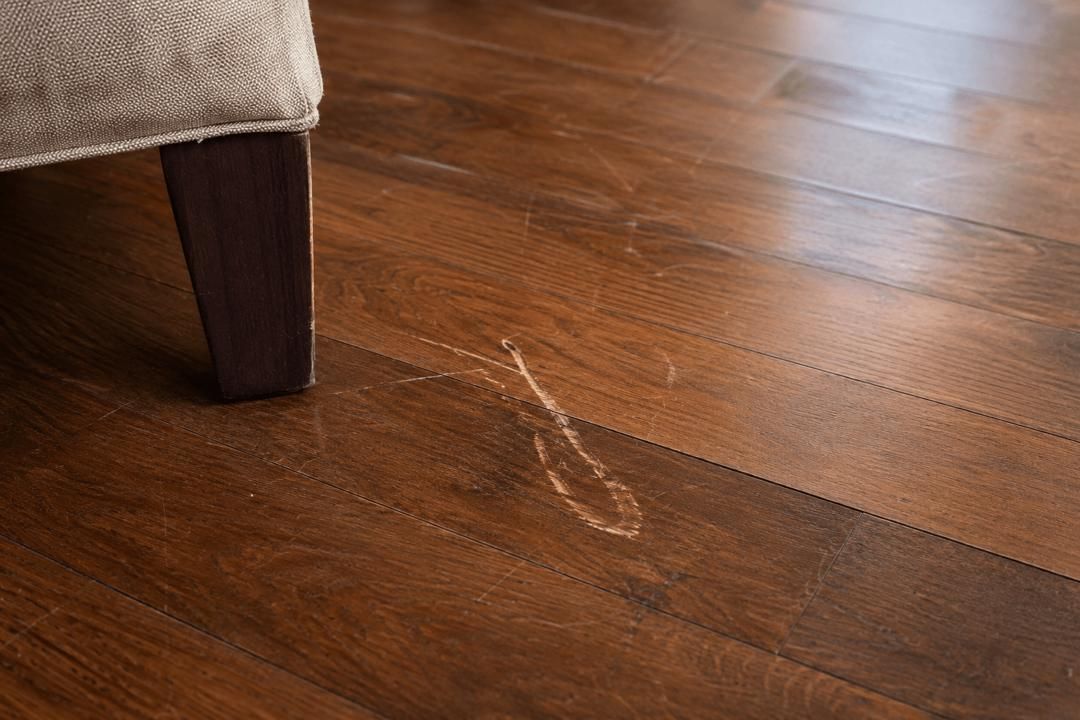
Furniture movement is another contributing factor. Dragging heavy items across the floor can disturb the alignment of boards, particularly if protective pads are not used. Over time, this can create uneven spacing and increase the likelihood of floor gap repair being required.
Cleaning methods also influence floor condition. Excess water exposure from mopping can seep into joints, affecting moisture balance within the timber. Similarly, harsh cleaning products can damage protective coatings, making the surface more vulnerable to environmental changes. Consistent and appropriate hardwood flooring maintenance helps reduce these risks.
Age is also a natural factor. As timber flooring Wollongong homes ages, the material gradually loses some of its original moisture balance and elasticity. This makes it more responsive to environmental changes, increasing the likelihood of expansion and contraction. Older floors are therefore more prone to developing gaps even under stable conditions.
Preventative maintenance plays a key role in reducing long term issues. Regular inspections help identify early signs of movement before gaps become significant. Maintaining stable indoor humidity, using protective furniture pads and avoiding excessive moisture exposure all contribute to healthier flooring conditions.
Professional maintenance services can also assist in monitoring floor condition. Early intervention allows minor timber floor gaps to be addressed before they widen, reducing the need for extensive repairs. In many cases, simple adjustments can restore appearance and stability without major intervention.
Conclusion
Timber floor gaps are a common issue caused by a combination of environmental conditions, installation quality and everyday wear. Moisture changes leading to floor board expansion and contraction are the most significant factor, especially in coastal regions like Wollongong. Poor installation practices and subfloor issues can also contribute to long term movement, while regular use and ageing gradually increase spacing between boards.
Understanding these causes allows homeowners to take proactive steps toward prevention and maintenance. Proper hardwood flooring maintenance, stable indoor humidity and professional inspection of timber flooring Wollongong homes can significantly reduce the severity of gaps. When issues do occur, timely floor gap repair helps restore both appearance and structural integrity, ensuring timber floors remain durable and visually appealing for years to come.
About Wollongong Timber Flooring
Wollongong Timber Flooring provides professional services in timber flooring Wollongong, hardwood flooring maintenance, floor gap repair and complete timber floor installation for residential and commercial properties. With extensive experience working in coastal environments, the company specialises in managing floor board expansion and contraction issues caused by local climate conditions. Customers benefit from expert craftsmanship, detailed inspections and tailored solutions designed to restore, protect and enhance the natural beauty and longevity of timber floors across the Wollongong region.