How Furniture Placement Can Protect or Damage Your Timber Floors
Furniture plays a much bigger role in timber floor condition than many homeowners realise. While proper arrangements distribute weight and reduce wear, heavy items, sharp legs, and frequent dragging cause scratches, dents, and permanent marks. With thoughtful placement and everyday habits, homeowners can protect their timber floors and extend finish life.
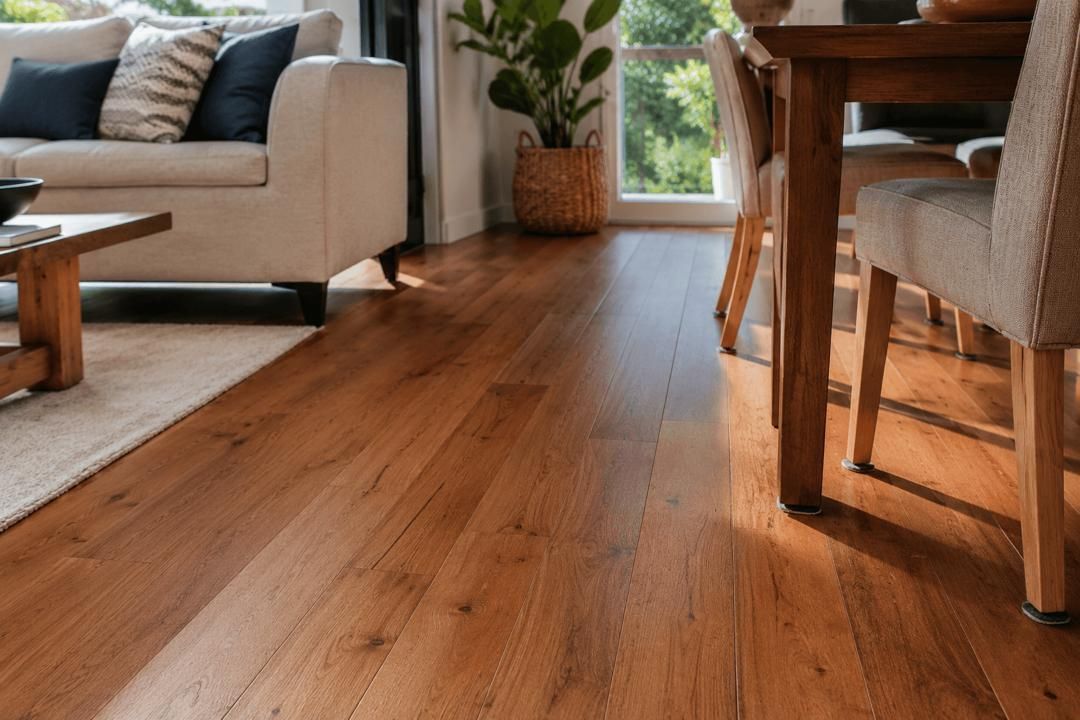
How Furniture Weight and Position Affect Timber Flooring
Heavy furniture creates long-term pressure points on timber flooring. Item positioning, movement frequency, and protective pads all influence floor condition. Understanding how weight and pressure affect timber helps homeowners make better placement decisions.
Heavy Furniture Can Create Pressure Points
Timber flooring is durable, but even strong hardwood is affected by concentrated weight over long periods. Large dining tables, entertainment units, bookshelves, or solid timber cabinets exert considerable pressure on small contact points. When furniture legs are narrow or have hard edges, weight concentrates into tiny areas.
Over time, this pressure leaves surface indentations, particularly on softer timber species or worn protective coatings. Risk increases when heavy furniture sits on improperly prepared flooring or shifts slightly during daily use.
Leg shape matters as much as total weight. Broad, flat bases distribute pressure far more evenly than narrow metal legs. Small feet or sharp contact points create deeper marks because weight concentrates over less surface area.
This does not mean avoiding heavy furniture, but rather managing weight distribution. Felt pads, protective cups, and glides create wider contact areas, reducing pressure on individual points.
Furniture Placement Can Affect High-Traffic Areas
Furniture arrangements dictate how people walk through a room. Poorly positioned sofas, tables, or cabinets force household members into narrow pathways or awkward corners, concentrating foot traffic and accelerating finish wear. A single narrow route between a sofa and a wall can receive thousands of additional steps over time. Footwear dirt and fine grit act like abrasive sandpaper when walked over the same area repeatedly.
Thoughtful placement distributes movement evenly across the room. Creating comfortable, open pathways avoids bottlenecks and concentrated wear while making spaces more practical.
Furniture also blocks direct sunlight. Large pieces shield underlying floor areas from UV exposure, creating visible colour differences when moved later. Rotating rugs and adjusting furniture periodically in sunny rooms maintains even timber coloration.
Everyday Furniture Habits That Cause Timber Floor Damage
Many timber floor problems stem from handling rather than the furniture itself. Dragging, sliding, and frequent moving cause hard-to-remove scratches. Small protective habits make a significant difference to long-term floor maintenance.
Never Drag Heavy Furniture Across the Floor
Dragging is one of the fastest ways to scratch timber floors. Even a light chair leaves marks if legs contain grit, rough edges, or exposed metal. Heavy cabinets cause far more severe damage when dragged. Always lift furniture when moving it. For larger items, use sliders designed for hard flooring to allow smooth movement while reducing leg-to-timber friction.
However, sliders are not an excuse for careless moving. Trapped dirt beneath sliders still scratches surfaces, and pushing heavy objects stresses both furniture and flooring. Clean the area first and select sliders suited to the furniture weight and floor type.
Use the Right Protection Under Furniture Legs
Felt pads offer simple protection for occasionally moved chairs, tables, and lounges by creating a soft, low-friction barrier.
Inspect pads regularly; compressed, dirty, or loose pads expose furniture legs or trap abrasive grit beneath them, creating a sandpaper effect when moved.
For very heavy furniture, wider protective cups or specialized floor protectors work better than standard felt pads, depending on size, weight, and design.
Caution is also required with wheeled furniture. Office chairs, trolleys, and mobile storage units move frequently over identical spots. Hard plastic, damaged wheels, or unsuitable casters cause progressive surface wear and small scratches.
Be Careful When Rearranging a Room
Room makeovers present high risks for accidental floor damage, a sofa carefully lifted in one direction is often dragged back into place.
Plan room layouts beforehand. Clear pathways, remove trip hazards, and use enough people to lift heavy items safely. Use proper moving equipment if an item is too heavy to lift manually.
Protecting Timber Floors During Everyday Living and Home Changes
Protecting timber floors requires more than placing pads under legs. Floor condition, room environment, and usage habits all contribute to long-term wear. A practical approach combines protective products, sensible layout, and prompt attention to early damage signs.
Consider Rugs in High-Use Areas
Rugs reduce wear where furniture and foot traffic combine. A rug under a dining table protects against chair movement, while one under a coffee table absorbs daily living impact in living rooms.
Rug backing is critical. Certain rubber or plastic backings trap moisture or react with floor coatings. Use timber-safe rugs and clean them regularly to prevent trapped grit.
Move rugs periodically. Leaving a rug stationary for years creates sharp colour contrasts between covered and sun-exposed areas. Adjusting layouts ensures even timber aging over time.
Keep Furniture Away From Moisture Risks
Placement impacts how easily floors dry after spills or cleaning. Large cabinets positioned tightly against walls obscure underlying moisture.
Water causes timber swelling, cupping, and distortion. Trapped spills beneath heavy furniture go unnoticed far longer than open-area spills. Never allow wet cleaning products, plant water, or accidental spills to remain beneath furniture.
Indoor plants require extra care. Place decorative pots on waterproof bases or trays to prevent moisture from reaching timber. Unnoticed leaks behind cabinets or sofas cause severe staining and distortion before discovery.
Plan Furniture Placement Before Floor Restoration
Before floor sanding, polishing, staining, or installation, remove all furniture so professionals have complete access for a uniform result.
When returning furniture, handle items carefully and never drag them over new finishes while protective coatings cure. Follow the flooring professional’s advice regarding waiting periods before replacing heavy pieces.
Conclusion
Furniture placement directly impacts timber floor condition and lifespan. Heavy items cause pressure points, narrow arrangements concentrate traffic, and dragging creates deep scratches. Using felt pads, sliders, protective rugs, and careful lifting techniques prevents unnecessary wear while maintaining cleaner, more even surfaces.
Treat furniture as part of your overall protection strategy: keep items stable, refrain from dragging, control moisture around plant pots and spills, and check hidden floor areas during moves. If scratches, dents, stains, or worn coatings appear, professional sanding, repairs, or refinishing can restore boards without full replacement.
About Wollongong Timber Flooring
Wollongong Timber Flooring provides professional timber flooring services across Wollongong and the Illawarra region for homeowners, renovators, landlords, and property owners. Specialising in timber floor sanding, polishing, repairs, installation, staining, restoration, and deck maintenance, services are tailored to each property's condition. Offering local expertise, free on-site quotes, and quality workmanship, Wollongong Timber Flooring restores and protects existing floors efficiently without unnecessary replacement.